Articles
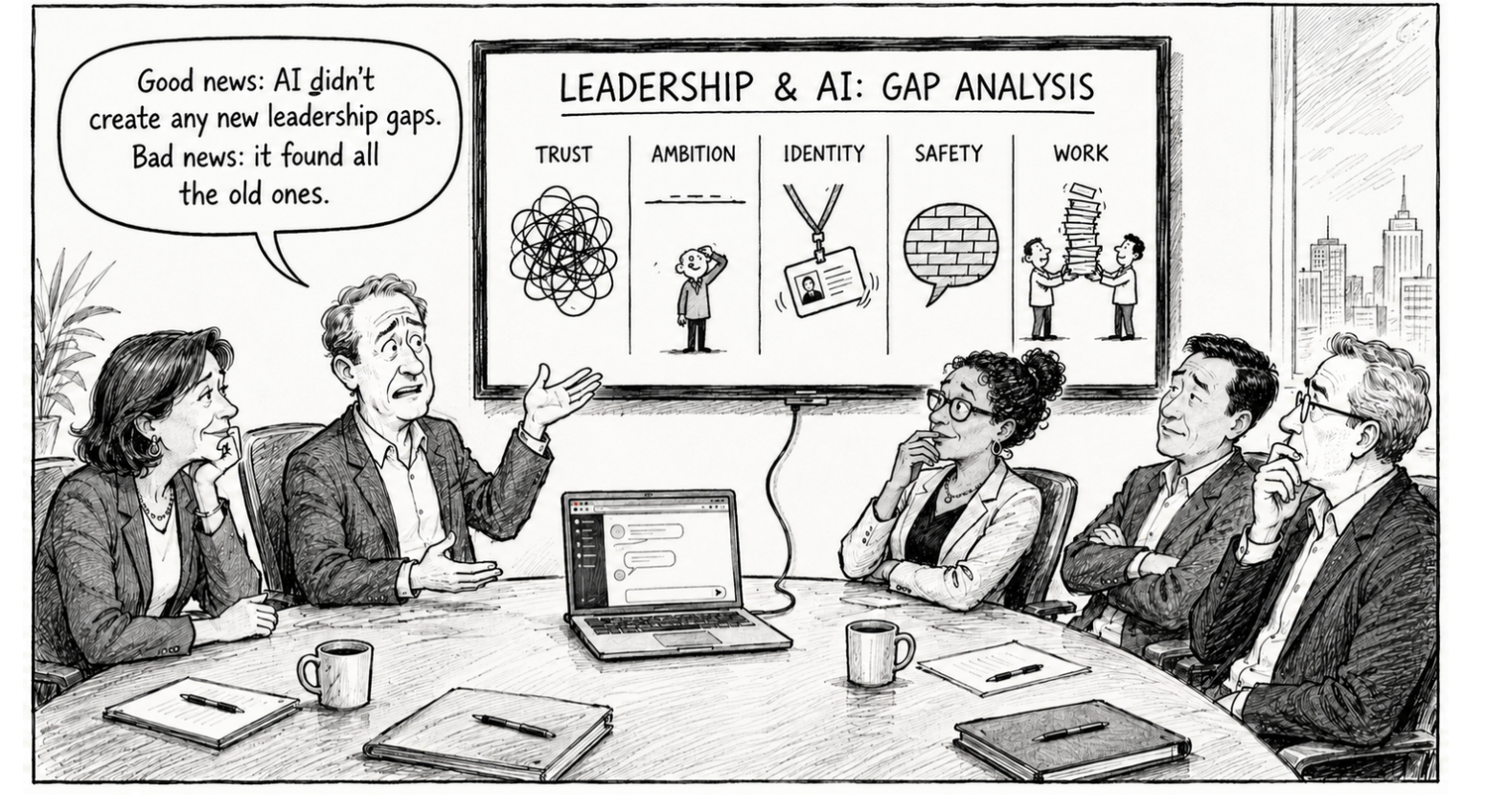
AI doesn't create leadership problems - it exposes them
I've been talking with senior leaders about what AI is doing to the human side of their organisations - not adoption rates or tooling decisions, but what is happening to trust, psychological safety, status, identity, expertise and the way work gets done. Five patterns are beginning to emerge from the conversations.

Leadership Strategy Scan
At some point, every leader hits a moment where the usual approach stops working.
You’re experienced, you’ve handled hard things before, and then something shifts — a new role that feels nothing like the one you prepared for, feedback that lands harder than expected, a team that isn’t gelling, an organisational change that arrives faster than anyone can think straight. Suddenly the instincts, habits and experiences that have served you well feel like they’re working against you.
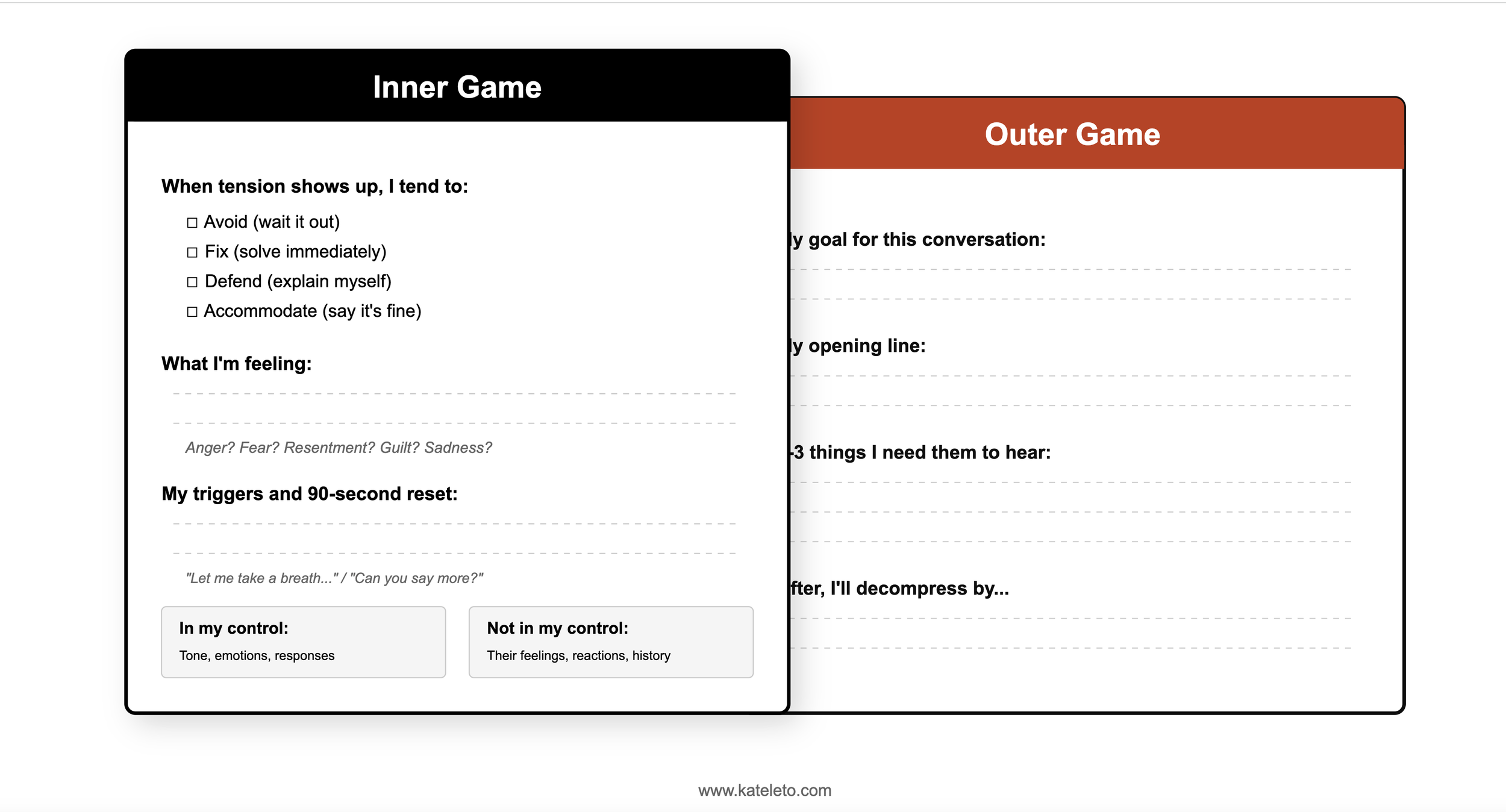
Say It Now or Pay Later: The Conversation You're Not Having Is Costing You
Right now, who are you avoiding a conversation with?
In a recent workshop, I asked this question. What surprised me: most people weren't avoiding their boss or difficult colleague. They were avoiding someone outside of work—a partner, a family member, a friend.
Here's what that tells me: We've separated "work conversations" from "life conversations" as if they're different skills – but they're not. The way you handle conflict with your co-founder when they question your judgment, that's the same pattern you learned at your dinner table growing up. The defender, the fixer, the person who goes silent—these aren't work masks you put on. They're you.
Which means that the conversation you're avoiding with your teammate about the Q1 roadmap isn't really about the roadmap. It's about the same thing that's always been hard for you: being challenged, disappointing someone, admitting you don't have answers.
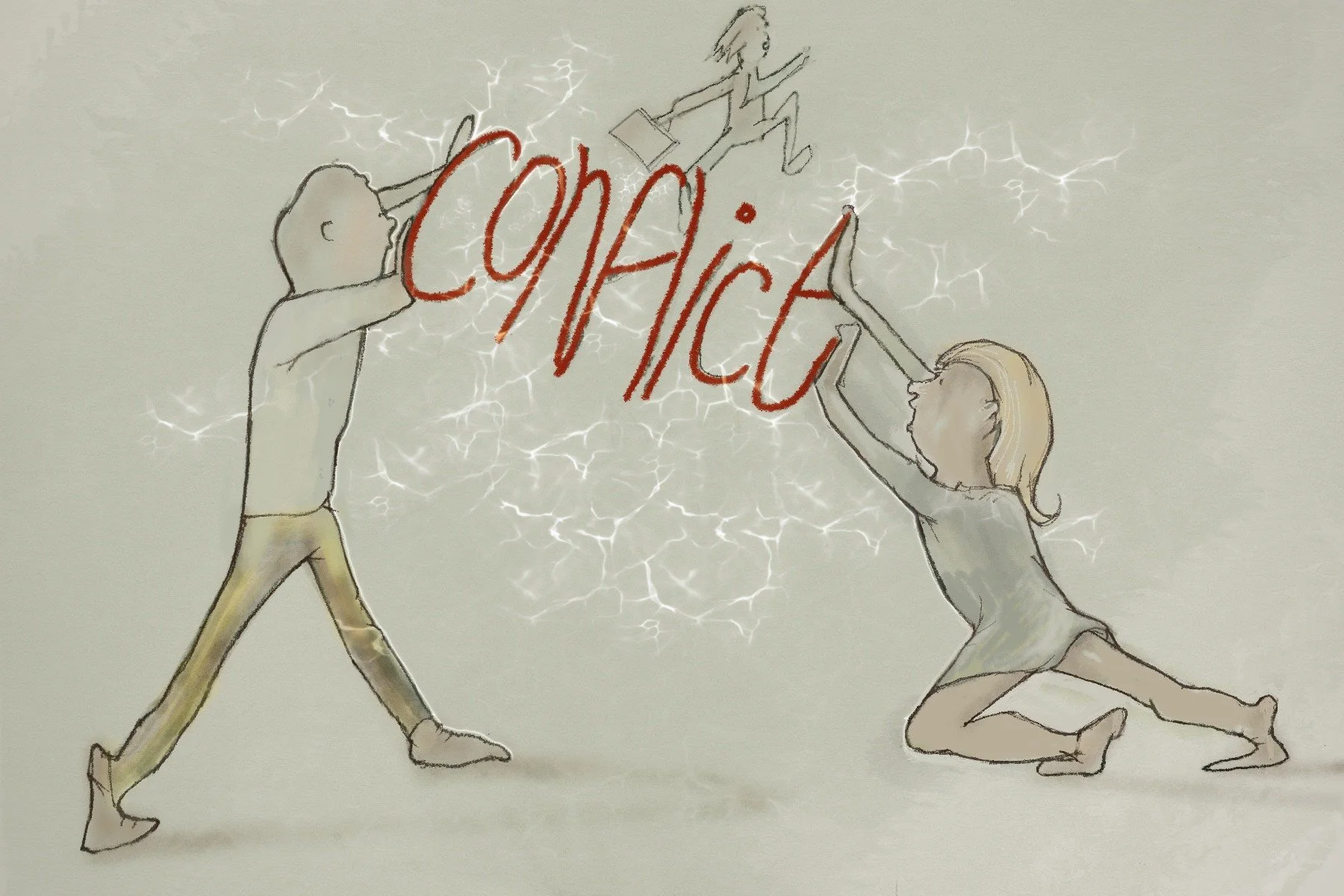
State of Conflict in the Workplace 2025: Why Intelligent Conflict is the Skill Leaders Need Now
Conflict is a constant in the workplace, costing billions each year in lost time, stalled progress, and eroded trust. Most of it stays unspoken — in the conversations avoided, the feedback unsaid, and the tensions left to fester. This article introduces the concept of Intelligent Conflict — a practical approach for leaders and teams to reframe conflict as a normal part of work and use it as a driver of clarity, trust, and better outcomes.